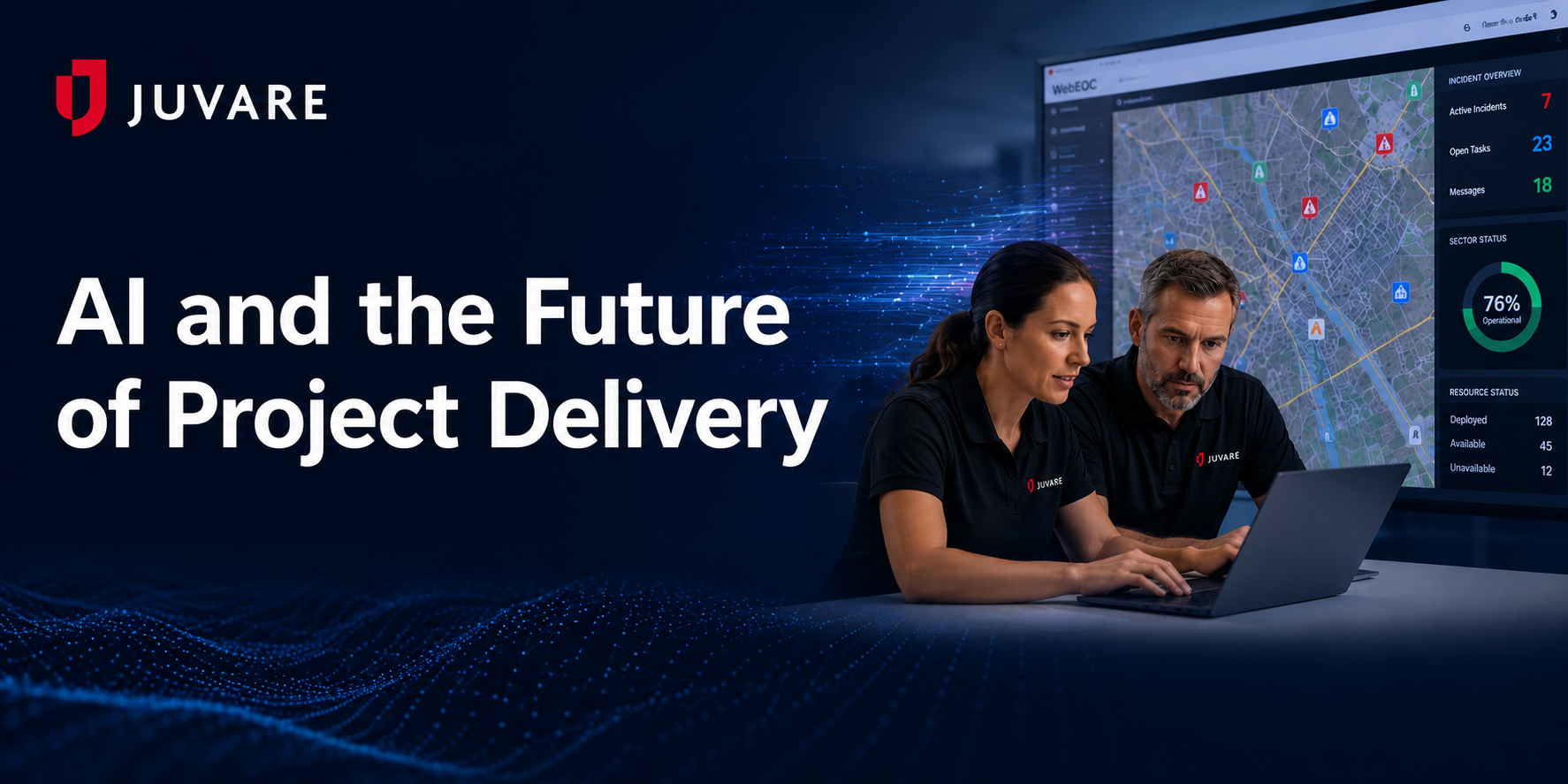




There is a common assumption emerging around AI that goes something like this: if AI makes people faster, then projects should take less time. And if projects take less time, they should cost less.
On the surface, that sounds logical. If a task that once took four hours can now be done in one, the saving is obvious. For repetitive administrative work, that is exactly what should happen. AI should reduce the time spent on work that does not need deep human input.
But that logic does not apply neatly to projects where the solution being delivered has real operational value, and where the outcomes it supports are often critical.
A three-month project does not simply become a one-month project because AI helps some parts of the work happen faster. That is because the time we spend on important projects is not only determined by how long the tasks take. It is also determined by how much attention, confidence, discussion, and refinement the outcome deserves.
I believe we all carry an instinctive sense of how much effort something is worth. Some work feels like it deserves ten minutes. Some work deserves a meeting. Some work deserves weeks or months of engagement, design, review, testing, adjustment, and refinement. That judgement is not based on the number of tasks involved alone, it is based on the importance of the solution, the confidence required in the outcome, and the cost of getting it wrong.
When an organisation invests in a project, it is not only buying output. It is investing in the quality of the outcome: the thinking behind the design, the way requirements are understood, the way decisions are tested, the way options are considered, and the way the final solution supports the people who will rely on it.
AI does not remove the importance of that process. It increases what can be achieved within it.
So I believe the future of AI in project delivery is not necessarily that a three-month project becomes a one-month project at a third of the cost. The bigger opportunity is something more: a three-month project should now produce a better, clearer, more complete outcome than a three-month project could before.
That is the opportunity: not just cheaper work, but better work.
It is worth acknowledging the obvious tension here. A project delivery business that argues AI will not shrink timelines or cost could reasonably be accused of protecting its own interests. That tension is real, and worth calling out. But the argument does not rest on convenience, it rests on what projects are actually for. Faster task completion does not automatically produce better decisions, stronger designs, or more capable systems. In many cases, I believe the time saved on lower-value work simply creates more room for the higher-value work that determines whether a project succeeds.
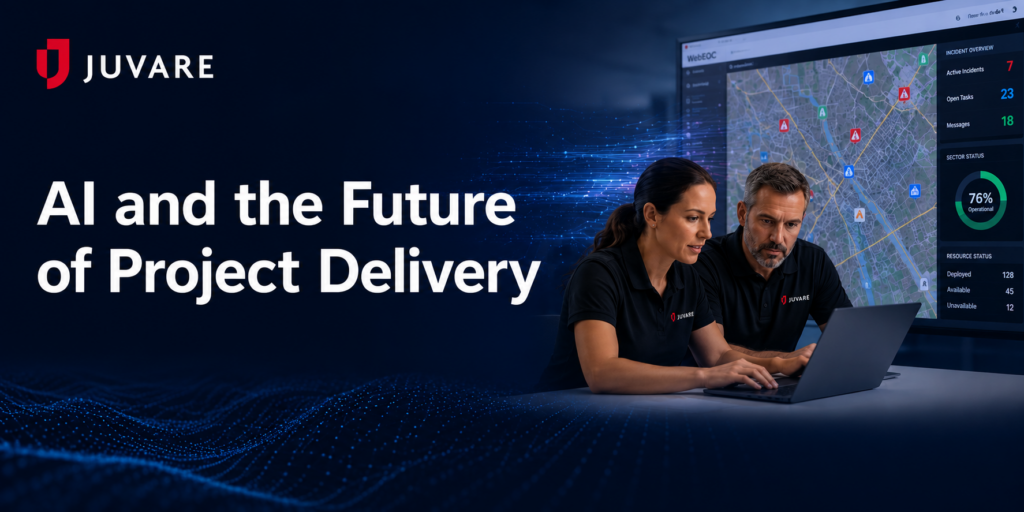
This matters directly in how we deliver WebEOC projects.
WebEOC supports emergency management, crisis coordination, operational visibility, and decision-making in environments where clarity and timing matter. These are not simple technology rollouts. They need to reflect how people actually work during incidents, emergencies, disruptions, and major events. The value is not only in configuring the software. The value is in helping customers build capability they can rely on when it matters most.
When AI helps us move faster in that context, the goal is not to strip time and cost out of the project until only the bare minimum remains. The goal is to improve what the customer receives. Requirements can be analysed more clearly. Options can be explored more thoroughly. Documentation, training materials, and project communications can be produced with greater consistency. And instead of spending project effort turning rough notes into a basic first draft, more of it can go into reviewing better options, refining the detail, and making sure the solution fits the operational reality.
But there is a dimension beyond doing things better. AI also expands what is possible within a fixed investment. In most projects, scope is shaped by constraint. The wish list gets trimmed. The more refined workflow, the additional dashboard, the thorough training guide, these become Phase 2 items, deferred to a follow-up engagement that often never comes. The minimum viable product becomes the destination rather than the starting point. AI changes that dynamic. Things that used to be cut for time can now be included. Things that were always on the wish list but never made the budget conversation can now be part of what the project delivers. The ceiling of what is achievable within a given investment rises, and with it, the question shifts from “what is the minimum we can deliver?” to “how much more can we now achieve?”
For customers, that is where AI becomes meaningful, not in a reduced invoice, but in arriving at better decisions sooner, with more confidence, and with a solution that is more genuinely ready to perform under pressure from day one.
The simplest view of AI productivity is that the same output should take less time. For routine and repetitive work, that is true, and we should pursue it. But in project delivery, particularly in emergency management, the better measure is not always how much time was removed. It is how much more confidence, clarity, and capability the same investment can produce.
Systems like WebEOC are implemented to support people operating under pressure: to improve situational awareness, coordination, information sharing, and decision-making when it matters most. In that context, the quality and completeness of what is delivered is not a secondary concern. It is the point.
Leveraging the power of AI to reduce costs or timeframes is an obvious, and in my opinion, limited view of what AI can achieve for our business and our customers and stakeholders. Delivering high quality and better solutions for our customers when so much is at stake is where the real opportunity lies.
Not just cheaper. Not just better. But more.